Strength Training for Hormonal Output
Training over 40 isn't about burning calories—it's about signaling. We use high-intensity, lower-volume strength work to signal testosterone production without triggering chronic cortisol elevation.
The "Minimum Effective Dose" Principle
Long, grinding sessions are catabolic. To maximize the T:C (Testosterone-to-Cortisol) ratio, we focus on:
- Compound Movements: Squats, deadlifts, presses recruit maximum motor units.
- Heavy Loads: 80-85% of 1RM triggers the strongest hormonal response.
- Rest: 3-5 minutes between sets to allow full ATP replenishment and CNS recovery.
- Frequency: 3 days per week to allow 48-72h of systemic recovery.
The Protocol
Day 1: Push (Upper)
Bench Press (5x5), Overhead Press (3x8), Dips (3xFailure).
Day 2: Legs (Posterior Chain)
Deadlift (1x5 - true max effort), RDLs (3x10), Lunges.
Day 3: Pull (Back & Biceps)
Weighted Pull-ups (3x6), Barbell Rows (4x8), Face Pulls (3x15).
Nutritional Fuel for Recovery
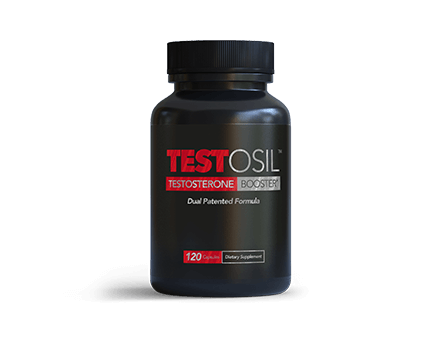
Training provides the stimulus; nutrition permits the adaptation. This is where Testosil's matrix bridges the gap between effort and growth.
CNS Regulation
Heavy lifting taxes the Central Nervous System. Magnesium (300-400mg) is non-negotiable for calming the NMDA receptors and shifting the body from "Fight or Flight" (Sympathetic) to "Rest and Digest" (Parasympathetic) post-workout.
Structural Integrity
Connective tissue repair requires more than protein. Zinc accelerates collagen synthesis and immune response, ensuring that micro-tears heal stronger.
Hormonal Signal Protection
Post-workout inflammation is natural, but chronic inflammation blunts testosterone. Antioxidants like Ashwagandha help modulate this response, ensuring the anabolic signal isn't drowned out by oxidative noise.
Safety First
Always warm up specifically for the movement pattern. If you have joint issues, use machines or bands. The goal is stimulation, not annihilation.